NΞXUS ΛI
 IPO PORTFOLIO
Portfolio window · Entry from 5 June until 17 July
The SpaceX IPO opportunity
SpaceX has filed to list on Nasdaq under ticker SPCX in what is widely expected to be the largest initial public offering in history — targeting a raise of roughly $75 billion at about $135 per share and a valuation near $1.75 trillion. For investors, IPO windows like this are rare: when demand, media attention, and retail participation align, early structured access can translate into rapid upside with a comparatively controlled risk profile versus chasing the name after the first-day spike.

1 · The Musk premium — leadership investors already trust
Public-market demand for SpaceX is as much a bet on Elon Musk as on rockets and satellites. His track record at Tesla, the post-merger xAI integration, and a dual-class structure that keeps long-term vision intact have made SPCX the most talked-about listing of the cycle. Prospectus filings point to a meaningful retail allocation — a setup that historically fuels fast, liquid opening sessions when order books fill early.

2 · Why IPO allocations can move faster than secondary markets
In a mega-IPO, the first hours of trading often concentrate years of pent-up demand into a single session. Banks marketing the deal — Goldman Sachs, Morgan Stanley, JPMorgan and peers — are positioning SPCX as a once-per-decade liquidity event. Investors who enter through a prepared, pre-sized sleeve can capture the opening repricing while risk controls — position limits, staged fills, and cash buffers — stay in place. That is the core appeal: high return potential in a short window, without unstructured exposure.
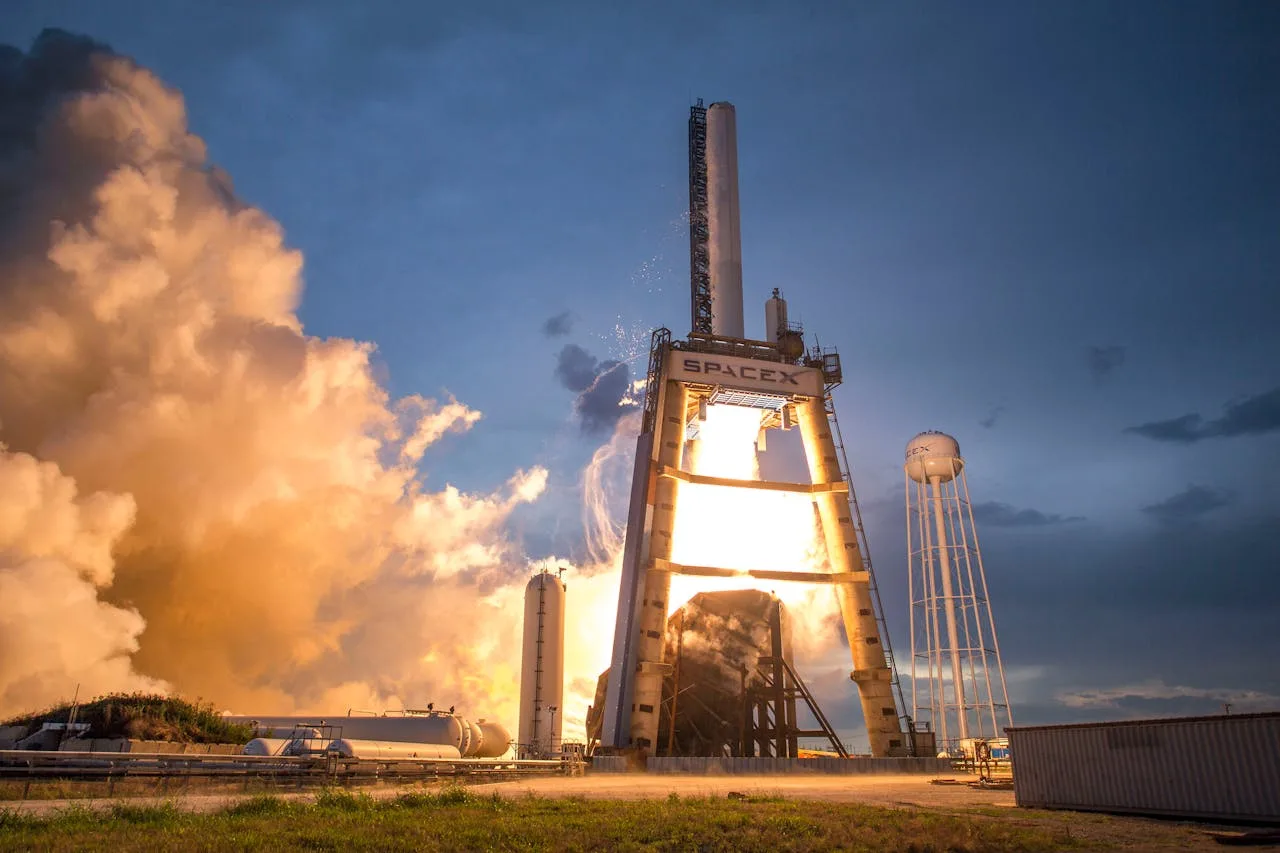
3 · What you are buying: Starlink, launch dominance, and deep-space optionality
Proceeds are earmarked for constellation expansion, launch cadence, and next-generation infrastructure — not a legacy cash-out. Combined with Starlink cash flow and Starship milestones, SpaceX enters the public market as an operating platform, not a concept story. For portfolio managers, that underpins the thesis that disciplined IPO participation can deliver outsized, time-bound gains relative to typical large-cap entries.
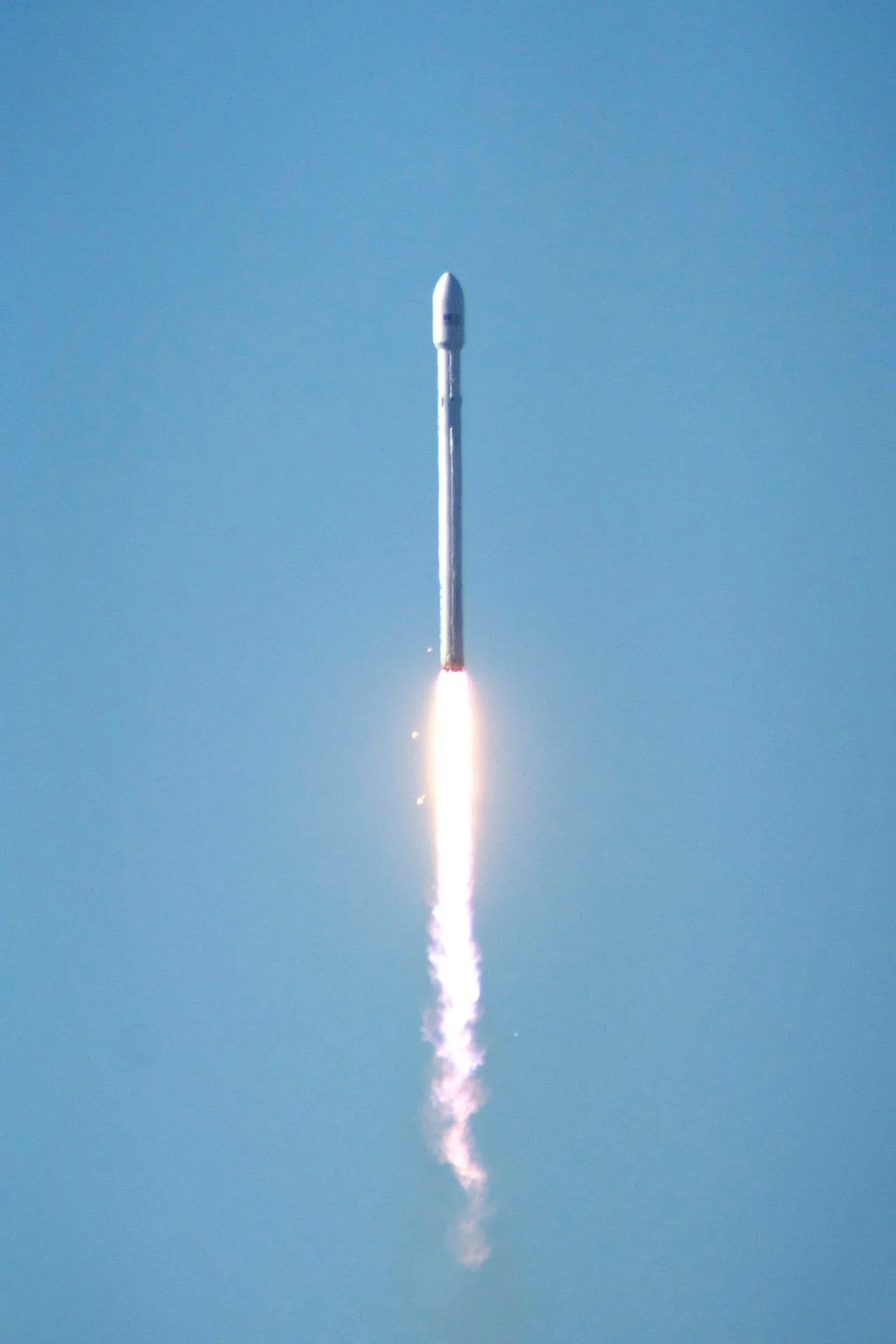
4 · Timing: roadshow, pricing, and your entry window
With the investor roadshow underway and a widely flagged debut window around mid-June 2026, capital needs to be staged before the book closes. Our desk treats 5 June – 17 July as the operational window to fund, verify, and lock allocations ahead of the first print — when slippage and FOMO volatility are still manageable.
NΞXUS ΛI has already built three ready-made portfolios for this event
You do not need to assemble tickers, size risk, or guess which sleeve fits your balance sheet. Our structuring desk has pre-built three distinct investment portfolios for the SpaceX IPO cycle — each with defined capital tiers, liquidity rules, and outcome bands tuned to a different client profile. Select your level above; each option opens a self-contained offer with terms, funding instructions, and live status inside the app.
1-st Level — starter primary allocation
The Level 1 portfolio is the entry sleeve for this event: a simple, pre-built basket that lets you buy a small primary-market package of SpaceX shares ahead of the public listing — without the capital commitment of the higher tiers. It is designed for investors who want structured IPO access at a modest ticket size while the book is still open.
The reference offer is SpaceX ($SPCX), targeted to IPO at $135 per share, with 555,555,555 shares available in the primary allocation.
In this first-tier variant, the effective share block scales with the brokerage leverage applied at purchase — a higher ratio increases notional exposure on the same cash deposit. We recommend funding between 1:1 and 1:5 leverage so margin use stays proportionate to the short IPO window and your available balance.
What else is held in this sleeve
Alongside the core SPCX primary allocation, Level 1 also holds a spread of large-cap technology names expected to move on the same news cycle — IPO headlines, earnings season, and sector momentum through mid-July:
- SpaceX (SPCX) — primary IPO allocation
- Tesla (TSLA) — Musk-ecosystem and EV platform exposure
- NVIDIA (NVDA) — AI compute and data-centre demand
- Palantir (PLTR) — defence, intelligence, and enterprise data platforms
- Rocket Lab (RKLB) — commercial space launch peer set
- Amazon (AMZN) — cloud, logistics, and satellite-adjacent infrastructure
- Additional large-cap tech — rotating names in the same sector band, sized for the window
2-nd Level — enhanced allocation sleeve
The Level 2 portfolio builds on the same core idea as Level 1 — a structured sleeve to buy a primary-market package of SpaceX shares before the Nasdaq listing — but at a higher capital tier with expanded participation limits and a broader macro overlay. It suits investors who want more notional exposure while the IPO book is still open.
The reference offer remains SpaceX ($SPCX), targeted to IPO at $135 per share, with 555,555,555 shares available in the primary allocation.
In Level 2, the effective share block scales with the brokerage leverage applied at purchase. We recommend funding between 1:1 and 1:10 leverage so margin use stays aligned with the short IPO window and your available balance.
At this tier we also treat the SPCX listing as a macroeconomic catalyst, not only a single-name fundamental story. Globally, an IPO of this scale is expected to accelerate a shift toward corporate-level capital allocation — reallocating economic power across regions, sectors, and asset classes. That repricing can flow through the U.S. dollar, major equity indices, and cross-asset volatility well beyond the space-tech complex alone.
What else is held in this sleeve
Level 2 carries the same technology equity basket as Level 1, plus index, dollar, and FX exposures sized to capture the wider macro move through mid-July:
- SpaceX (SPCX) — primary IPO allocation
- Tesla (TSLA) — Musk-ecosystem and EV platform exposure
- NVIDIA (NVDA) — AI compute and data-centre demand
- Palantir (PLTR) — defence, intelligence, and enterprise data platforms
- Rocket Lab (RKLB) — commercial space launch peer set
- Amazon (AMZN) — cloud, logistics, and satellite-adjacent infrastructure
- Additional large-cap tech — rotating names in the same sector band
- U.S. Dollar Index (DXY) — dollar strength / weakness around the listing flow
- EUR/USD & GBP/USD — major G10 currency pairs tied to USD repricing
- USD/JPY & USD/CHF — safe-haven and funding-currency crosses
- S&P 500 (SPX) — broad U.S. equity benchmark
- Nasdaq 100 (NDX) — growth and mega-cap tech index
- Dow Jones (DJI) — blue-chip industrial benchmark
- Russell 2000 (RUT) — small-cap risk-on / risk-off gauge
IPO Pool — institutional primary-market sleeve
The IPO Pool is the highest tier in our SpaceX event stack — a closed-desk structure inside NΞXUS ΛI where the full SPCX thesis is traded with institutional depth, not retail shortcuts. Participation is reserved for clients who have already demonstrated top-tier execution and a disciplined profit-to-risk ratio across their account statistics.
Behind the pool sits our proprietary news engine: every catalyst is stress-tested across technical, fundamental, and macroeconomic layers before capital is deployed. That workflow unlocks what standard brokerage channels cannot — including supplemental balance capacity from the firm and primary share volumes that are not available on the open market for this listing window.
The anchor remains SpaceX ($SPCX) at a reference IPO price of $135 per share, with 555,555,555 shares in the primary book — a once-per-decade liquidity event where early, sized access can compound across equities, indices, and cross-asset flows as the market reprices global growth.

Closed desk · multi-layer research
Our IPO Pool desk runs a single mandate: translate the SPCX headline into actionable, risk-bounded positions. Technical timing, fundamental sizing, and macro hedging are reconciled in one pipeline — so entries are coordinated, not reactive.

Starlink · the cash-flow engine in orbit
Public-market investors are not buying launch footage alone — they are buying a live constellation with subscriber scale and recurring revenue. Starlink gives SPCX a tangible earnings narrative that supports premium IPO pricing and sustained post-listing demand.

Starship · optionality the market cannot ignore
Starship is the long-dated call option embedded in the SpaceX story — heavy-lift capacity that rewrites launch economics and deep-space access. For pool capital, that pipeline reinforces why a $1.75 trillion reference valuation is being debated ahead of the book build.
Analyst-led entry only
Access to the IPO Pool is by invitation. To enter, you must have a verified track record of strong trading performance and a healthy balance between realised profit and controlled drawdown.
Once approved, every signal, allocation update, and portfolio brief is delivered personally by your assigned NΞXUS ΛI analyst — not through automated alerts or generic app templates. The pool composition, entry timing, and risk limits are explained one-to-one before any capital is committed.